
Teeth grinding, also known as bruxism, is the act of clenching your top and bottom teeth together. This grinding sensation involves unconsciously gnashing your teeth, typically as an involuntary movement. Most often, patients grind their teeth without realizing it, either during sleep or unconsciously, causing significant damage to their smile. Sometimes, patients may not even know they grind their teeth until they visit a dentist! But if you grind your teeth, it’s important to take prompt action to protect them from harm.
What Causes Teeth Grinding?
The grinding of your teeth may have many causes, some of which overlap. If you grind your teeth, it may be because of:
-
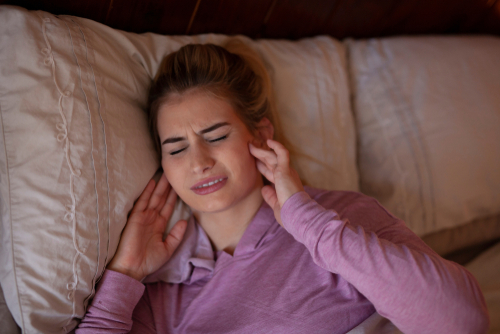
Teeth grinding can cause jaw pain, tension headaches, and oral health issues. Stress or anxiety: Feelings of stress or anxiety cause tenseness in the jaw, which can result in unconscious bruxism.
- Sleep problems: Sleep disorders like sleep apnea or snoring are associated with teeth grinding during sleep.
- Certain medications: Some antidepressants and certain seizure medications may increase your risk of bruxism.
- Drug use: Common drugs like tobacco, alcohol, or caffeine increase your risk of teeth grinding.
- Misalignment problems: When your bite or teeth are misaligned, they may create tension in your jaw, causing you to grind your teeth.
If you think you grind your teeth at night, book a free consultation with us in East Longmeadow, MA. There, we will help you determine the root cause of your bruxism.
How Teeth Grinding Affects Your Smile
Over time and without treatment, bruxism can have a poor effect on your overall and oral health.
Wearing Down Enamel
Most commonly, teeth grinding wears down your enamel. You may notice that your teeth become blunt or square over time, and your enamel may even crack under the pressure of your constant gnashing.
This damage is even more likely in those with dental restorations. Restorations like crowns, fillings, and even veneers are at risk of failure for those who grind their teeth.
While these restorations are durable and made to withstand the everyday wear and tear of chewing, they typically can’t handle the force of bruxism. If you have veneers or crowns in place, it’s incredibly important that you protect them from teeth grinding, as they will likely break or loosen under the pressure.
Causing Excess Tension
Additionally, grinding your teeth may cause tension in your head and jaw, leading to further complications.
Tension headaches are a common symptom of bruxism, as teeth clenching creates excessive pressure on your jaw and skull. While this isn’t necessarily dangerous, it is painful and can affect your overall quality of life.
And when it comes to your jaw, teeth grinding and TMJ disorder usually go hand in hand.
Your TMJ, or tempromandibular joint, is the jaw joint that allows your lower jawbone to move. But when there is excess pressure or tension on this joint, you experience issues like jaw pain, clicking sounds when you open your mouth, and even difficulties chewing.
Bruxism may worsen these symptoms or even cause them to arise in patients who never had a problem with their TMJ before.
If you’re struggling with the effects of grinding your teeth, it’s time to look for a solution.
Ways To Prevent Teeth Grinding
Depending on why you grind your teeth, you may have several treatment options.
- If you grind your teeth due to stress, it’s important to manage your anxiety. Mindfulness, meditation, exercise, and counseling are all great ways to reduce stress in your life and ease any tension you carry.
- For those who struggle with sleep disorders like sleep apnea, treatment for your disorder may alleviate your bruxism! This is especially true for those who use an oral appliance to treat sleep apnea.
- Avoiding stimulants like caffeine, alcohol, and nicotine may help stop teeth grinding. Abstaining from stimulants is very important to do at night, when grinding is most likely to occur.
- Any misalignments in your jaw or teeth need treatment from a dental professional. At East Longmeadow Family Dental Center, we can help determine the cause of your bruxism and find a treatment that works for you.
- Using a bite guard is a great way to prevent teeth grinding. This custom-made appliance covers your teeth and protects them from the clenching of your jaw.
The best way to treat bruxism is to visit a dentist. At East Longmeadow Family Dental Center, we offer free consultations to help patients understand their problems and identify treatments they may benefit from.
Book a Free Consultation in East Longmeadow, MA!
Teeth grinding can be difficult to notice, especially if you’re not experiencing the common symptoms. To ensure your smile is safe, it’s important to schedule routine dental visits at least twice a year. There, we can examine your teeth and ensure they’re protected.
Book a free consultation today at East Longmeadow Family Dental Center to learn what your smile needs.
