Dental implants are the gold standard of tooth replacement. These titanium screws secure in your jaw to act as a strong foundation for replacement teeth. Thanks to their biocompatible design, implants bond to your bone through a process called osseointegration. This natural process allows your bone to integrate into the grooves of the implant, locking it in place. With dental implants as a secure foundation, you can enjoy a stable crown, bridge, or denture that restores your smile! However, not everyone is a good candidate for this life-changing procedure. What disqualifies you from dental implants? Book a free consultation with Dr. Z at East Longmeadow Family Dental Center to find out for yourself.
What Disqualifies You From Dental Implants?
In general, you need healthy teeth and gums to qualify for dental implants. But in some cases, other factors also affect your eligibility. You may not qualify for implant treatment if you’re dealing with any of the following issues:
Uncontrolled Diabetes
Diabetes is a chronic condition that affects insulin production or intake. For most patients, things like medications, blood sugar monitoring, and routine doctor’s visits help keep their condition under control.
But for those without well-managed diabetes, they have an increased risk of complications during and after oral surgery. Uncontrolled diabetes can have a major impact on the ability to heal and fight infections, making dental implant treatment too risky a procedure.
Cancer
Patients diagnosed with cancer in the head or neck region may not be suitable candidates for dental implants. If you’re currently undergoing radiation therapy in those areas, you may have a weakened jaw structure that can’t support dental implants.
Autoimmune Diseases
Autoimmune disorders like rheumatoid arthritis or lupus impact your body’s ability to heal after surgery. With impaired recovery and an increased risk of infection, dental implants may not be the best solution for you.
Additionally, some medications that treat autoimmune diseases can interfere with bone growth and healing, which are essential for implant placement.
Gum Disease
Gum disease is an inflammatory condition that affects your gums and bone.
Without a good oral hygiene routine, bacteria will gather on your gum line and spread throughout your mouth! This bacteria will slowly deteriorate your gums and jaw, impacting your ability to support dental implants.
Fortunately, with gum disease treatment, we clear your smile of infection and help you manage your symptoms, creating a healthier foundation for implant treatment.
Insufficient Bone
Bone quality and quantity are two of the most important factors in dental implant treatment. Unfortunately, tooth loss is a direct cause of jawbone loss, making many patients ineligible for dental implants.
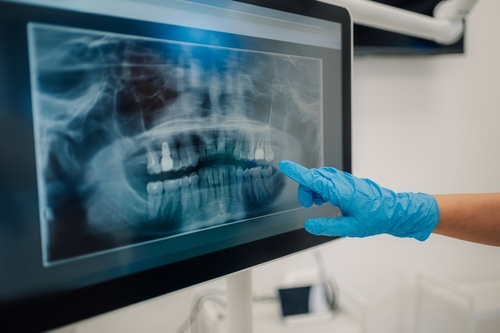
During your free consultation with Dr. Z, he will take a 3D digital X-ray of your smile to assess your bone. If you don’t have enough bone for implant treatment, he can use a bone grafting procedure to rebuild lost bone. But for those with a compromised healing ability or those who want to avoid additional procedures, this isn’t ideal.
To allow more patients to restore their smiles, Dr. Z offers mini dental implants! These titanium posts are a smaller implant alternative that fits in minimal bone, even without a bone graft.
How To Qualify for Dental Implants
For those with a compromised ability to heal or recover, dental implant treatment may not be the right choice for you.
But for anyone over 21 with missing teeth, Dr. Z recommends scheduling a free consultation to find out for yourself. There, he will assess your smile and jaw, and determine if you’re a good candidate for dental implants.
Thankfully, with mini dental implants, most patients are eligible for treatment!
Book a Free Consultation To Learn What Disqualifies You From Dental Implants!
Dental implants are a trusted tooth replacement solution. However, not everyone is eligible for treatment. If you are receiving radiation treatment for cancer, experiencing uncontrolled diabetes, or dealing with an autoimmune disease, dental implants may not be the right choice for your smile. Additionally, those without sufficient bone structure can’t support dental implants without additional procedures, such as a bone graft.
To find out if you’re eligible for implant treatment, book a free consultation with Dr. Z!
Connect with East Longmeadow Family Dental Center on Facebook to understand the dental implant process.
